


Is Kratom Legal in Alaska: Current Regulations and Perspectives
Key Takeaways:
- Kratom remains legal in Alaska with no statewide regulations, though there have been failed attempts to ban it at the local level.
- The current lack of regulation allows synthetic 7-OH concentrates to proliferate; the solution isn’t a total ban, but common-sense regulation, such as the Kratom Consumer Protection Act.
- Because kratom lacks state oversight, the burden of safety falls on the consumer to verify products and buy from transparent vendors.
Misinformation is a growing affliction. It affects every nuance of life, from relationships to mental wellness. Kratom is no stranger to its hazards. Numerous states, political figures, and public forums weaponize mistruths, rallying legislative pressure and undermining collective, science-backed research with personal opinion and anecdotes.
The Kratom Company doesn’t argue the merit of regulation. In fact, we encourage, support, and embrace it. Our primary goals are education and activism, which is why we compile reports explaining kratom’s legality and exposing flaws in current and proposed legislation.
Today, we’ll focus on one question: Is kratom legal in Alaska? Our goal is twofold: to teach you, the consumer, about the legality of our products in your state and to discuss safe ways to verify products and retailers in your area (when legal).
On the Question of Legality in Alaska
There are no statewide kratom laws in Alaska. It remains one of only a few states without regulations governing the sale, possession, and use of kratom.
Locally, Anchorage legislators in April 2025 attempted to reclassify and ban kratom in the city. Ordinance No. AO 2025-50 sought to criminalize the recreational use, possession, and sale of kratom products within Anchorage municipal limits.
If it had passed, the ordinance would’ve elevated those actions to Class A misdemeanors. Thankfully, on April 22, 2025, the Anchorage assembly postponed the ordinance indefinitely, citing insufficient evidence to support it and ensuring kratom remains legal in Alaska for now.
The Road That’s Paved With Good Intentions
Let’s be clear. These legislators, the ones who proposed the Anchorage ordinance, are well-intentioned but misguided. All-out bans aren’t a solution to the developing and legitimate concerns in the kratom market. Controlled and monitored regulation is a better option to counter the issues that concern most people, such as the continued development of concentrated 7-hydroxymitragynine (7-OH) extracts.
The Food and Drug Administration (FDA) made headlines in late July 2025 when it recommended the Drug Enforcement Agency (DEA) reclassify certain 7OH products under the Controlled Substances Act. The recommendation is currently under review.
We can support the reclassification of specific concentrated products, especially those with a proven history of harm and abuse. But we draw the line when laws target known and historically significant substances without evidence.
Even the FDA doesn’t support a kratom ban. Its announcement in July specified that natural kratom leaf products, like ours, aren’t the target of its recommendation. So why, after decades of inaction, are legislators wondering whether kratom should be legal in Alaska?

Production of Concentrates in Unregulated Markets
The push for kratom laws in Alaska is the right move. The current market is largely unregulated, which is dangerous for consumers and problematic for ethical retailers. It promotes chaos and permits a rush to market from unqualified and unscrupulous sellers, people who prioritize money over wellness and consumer safety.
Regulation is our primary defense against bad habits and bad actors. But the regulation discussion must be insightful and include producers, sellers, and consumers. Laws that evolve out of context only breed more chaos and uncertainty.
From 2024 onward, kratom markets experienced an increase in extract sales, specifically around 7-OH concentrates. The problem isn’t the alkaloid itself. 7-OH, after all, occurs in small amounts within the natural kratom leaf. No, the issue that motivates the question of whether kratom should be legal in Alaska and other states is the isolation and manipulation of the minor alkaloid.
In combination with other alkaloids in the kratom leaf, 7-OH is negligible (<2% of alkaloid content). For dried leaves and powders, it’s lower, roughly 0.011 to 0.039%. However, in isolated concentrates, 7-OH makes up 98% to 99% of the product, an increase hundreds of times stronger than natural kratom. Many 7-OH concentrates are 13 to 40 times more potent than morphine.
Common Sense Regulation Over Blanket Bans
Concentrates like 7-OH are a symptom of an unregulated market. While these semi-synthetics present challenges and demand attention, it’s the entire market that requires regulation. With proper regulation, the industry adopts guardrails, including quality control standards, age verification and restrictions, and transparent labeling practices, none of which are universal at the moment.
The current lack of oversight means consumers can do little to authenticate or verify products. Things like purity, quality, and potency aren’t evident for every product. While The Kratom Company ensures its products undergo third-party testing and supply a certificate of analysis for every item it sells, not all producers or sellers share the same commitment to transparency.
But that doesn’t mean a ban is the answer. Kratom is legal in Alaska, and we believe it should remain so. We also think Alaska should introduce kratom laws to guide the market.
The Common Sense Solution
Alaska’s inaction isn’t a declaration of acceptance, nor is it deference. It’s avoidance, resulting in the proliferation of legal gray zones that provide leeway for product manipulation and consumer deception.
As a producer and retailer, The Kratom Company wants kratom to remain legal in Alaska, but we also want to see the state get off the bleachers and take an active role in the ongoing regulatory debate. We want every state to embrace common-sense regulation, to choose and advocate for the Kratom Consumer Protection Act (KCPA).

KCPA Provisions and Implementation
The American Kratom Association (AKA) created the KCPA, a legislative framework modeled to help regulate the kratom industry. While the language varies by state, the core of the KCPA includes:
- Age restrictions
- Adulteration bans
- Alkaloid limits
- Mandatory testing by independent labs
- Standardized labeling
- Vendor registration
The absence of kratom laws in Alaska means even basic consumer protections offered through the KCPA that reputable sellers, producers, and advocacy groups agree on are nonexistent, including the prohibition of sales to minors.
We want to be very clear on this one point: While kratom is legal in Alaska, the state doesn’t currently have any laws officially regulating the industry. This is a problem for reputable businesses and consumers. So it’s crucial that you, the consumer, take necessary precautions when locating and purchasing kratom in the state.
The Search for Safe Products
Unfortunately, with the lack of regulation in some states, consumers must rely on private certifications and independent verification to locate safe kratom products. It’s challenging, but not impossible. Mainly, you want to avoid concentrated 7-OH isolates and look for vendors that provide a certificate of analysis (COA) for every product batch.
Never purchase kratom products without a batch-specific COA. If you’re buying from a brick-and-mortar retailer, you can usually scan a barcode on the product packaging or check the vendor’s website. You can find the COA for all our products on each product’s page or view our lab results. It’ll provide information on contaminants and alkaloid content. Always review the report date, making sure it’s recent, ideally within the last 12 months.
The Kratom Company
The founders of The Kratom Company started the business in 2018 in response to problems that face so many kratom consumers: accessibility and transparency. Where can you buy quality natural kratom products, and who can you trust?
As an e-commerce platform, we can reach consumers wherever kratom is legal. Since kratom is still legal in Alaska, that means you, dear reader.
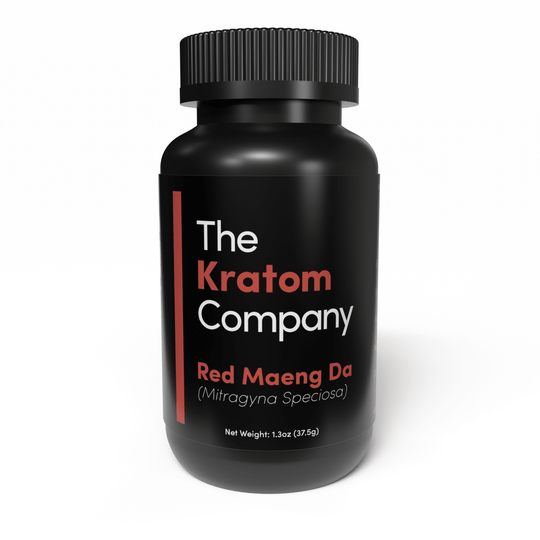
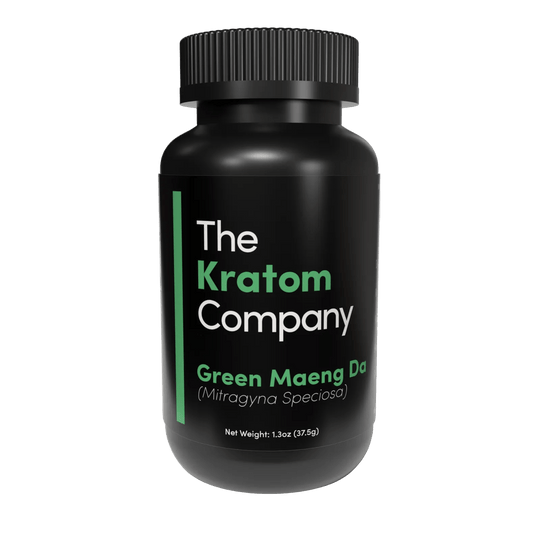
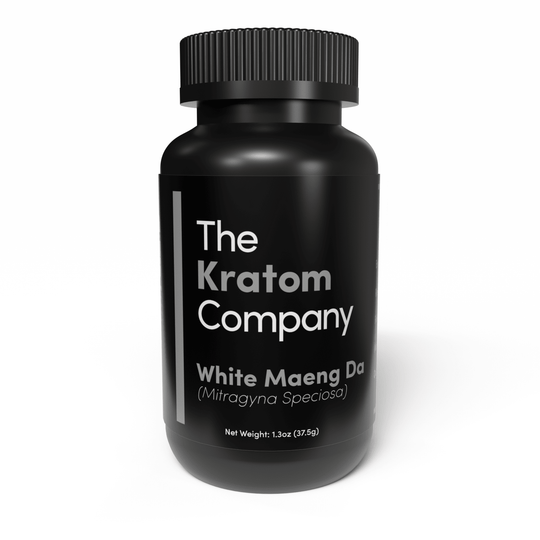
We ethically source our kratom from only the best kratom farms in Southeast Asia, stocking only specific strains. Our inventory includes natural leaf powders, capsules, and extracts. And to ensure transparency and quality, every batch and product undergoes rigorous third-party testing to ensure safety and purity standards.
On Alaska Kratom Laws and Future Hopes
Alaska is part of a group of states with zero kratom regulations. This group represents a proliferation of a legal gray zone, an area that sits in limbo, absent decisive action. The state’s indecision might seem inconsequential, but its inaction manifests in product manipulations, adulterations, and public health crises.
The Kratom Company, the AKA, and other advocacy groups want kratom to remain legal in Alaska, but that requires a reasoned approach to regulation. As a consumer, you have more power than you think. You can make a difference. Support kratom advocacy and common-sense legislation. And most importantly, shop for reputable kratom.

Featured Products
Explore More Posts


Leave a Reply