


Explaining the Florida 7-OH Ban
Key Takeaways
- Florida's 7-hydroxymitragynine ban targets products marketed around isolated or highly concentrated 7-hydroxymitragynine.
- This is not a ban on kratom itself (contrary to some claims).
- If you've been relying on 7-OH products, expect availability to shift and compliance to tighten.
- A safer, simpler lane is sticking with clearly labeled, 3rd-party lab-tested natural kratom products from a brand with a real track record.
If you've been following kratom news lately, you've probably seen 7-OH pop up everywhere. And if you've used a 7-OH product (or heard about all the ensuing 7-OH bans that many states are implementing), Florida's 7-OH ban can feel confusing fast. Is Florida banning kratom? Is it banning extracts? Or is it really just targeting one slice of the market?
Let's keep it practical. Below is the plain-English version on:
- What 7-OH refers to
- Why lawmakers keep circling it
- What Florida's move could mean for everyday shoppers
What “7-OH” Means (and Why It Keeps Coming Up)
“7-OH” is shorthand for “7-hydroxymitragynine,” one of the alkaloids found in kratom. It can show up in tiny trace amounts in natural leaf products.
Where things get complicated, and the reason for Florida’s 7-OH ban, is that many products are marketed around isolated 7-OH or boosted 7-OH levels. Regulators often treat those isolated/high-7-OH formats differently from a botanical product that naturally contains tiny amounts.
Natural Kratom Leaf vs. Isolated 7-OH Products
One of the best ways to understand the Florida 7-hydroxymitragynine ban is to separate natural leaf products from products built around isolated 7-OH.
Here’s the simple split:
Natural kratom products (powder, capsules, and many traditional extracts):
- Primarily made from kratom leaf
- Typically easier to label clearly and test in a repeatable way
- May contain naturally occurring trace alkaloids, which aren’t hit by Florida’s 7-OH ban
7-OH-focused products (isolated, amplified, or 7-OH-forward):
- Marketed around 7-OH as the selling point
- More likely to raise consumer-protection and dependency concerns
- More likely to be treated as a separate category by lawmakers and regulators
So What Does the FL 7-OH Ban Actually Change?
Setting aside headline drama, the Florida ban is essentially about what can be sold, how it can be marketed, and what sellers are willing to carry.
In practical terms, people feel changes like these first:
1. Product availability shifts quickly: If your go-to item was sold as a 7-OH product, with Florida’s new 7-OH ban rules, you might see it pulled from shelves or normal shipping channels.
2. Retailers get stricter: Reputable sellers don't want gray-area inventory. When a state draws a line, serious brands tighten compliance. Shadier businesses might try to work around it.
3. Labeling gets cleaned up: You may see product names, descriptions, and categories simplified. This is to reduce confusion and remain compliant.
What a State’s 7-OH Ban Doesn’t Automatically Mean:
This is where a lot of the internet noise comes from. Florida’s 7-hydroxymitragynine ban headline can sound like a full kratom ban, but those are different conversations.
In plain terms, 7-OH bans in Florida or elsewhere usually do NOT mean:
- Every kratom leaf product is suddenly illegal
- Every kratom extract is treated the same (many extracts are still leaf-based products, not isolated 7-OH)
- You should panic-buy whatever you can find
What it does mean is that product categories are being policed more tightly. If a product was built around isolated or amplified 7-OH, sellers in Florida have to treat it as a higher-risk item, and many will simply stop carrying it.
If You’ve Been Using 7-OH, Here’s a Practical Plan:
No fear-mongering here. Just a sane checklist:
1. With the Florida 7-OH ban, check first, then read the label, the description, and the ingredients. If it was marketed as “7-OH” or “7-hydroxymitragynine” in Florida, or notes “isolated alkaloids,” assume it's in the category Florida is trying to restrict.
2. Pivot to clearer, leaf-based options like powders, capsules, and traditional kratom extracts from reputable sellers. They’re often the easiest products to label clearly and verify.
3. Check with a healthcare professional if you have questions about how kratom fits into your routine, or possible interactions with medications. Playing it safe is always a good course of action.
How to Pick Natural Kratom Products Without Overthinking It

The Florida 7-OH ban is a reminder that buying whatever’s trending isn't always a smart move. What you want is consistency, clarity, and brands that act like they want to be around next year.
Look for things like:
- Third-party lab testing
- Clear product categories (powders, capsules, extracts) and straightforward labeling
- Responsible language (no sweeping promises or guaranteed outcomes)
- Clear shipping policies and responsive customer support
What to Watch Next (Without Doom-Scrolling)
Florida likely won't be the only state discussing 7-OH. Once one state draws a clear line, others tend to watch the fallout. Other states will be watching how Florida’s 7-OH ban plays out and tweak their rules accordingly.
If you want to stay ahead of it (without living in the news cycle), keep it simple:
- Stick with brands that communicate clearly about compliance and product categories
- Avoid new loophole products that show up overnight with vague labeling
- Choose products you can explain on paper (batch tested, clearly labeled, no mystery alkaloid blends)
Bottom Line on Florida's 7-hydroxymitragynine Ban
At its core, this 7-OH ban is a line in the sand around one segment of the market: products marketed around isolated or amplified 7-OH, which is not the same thing as banning the kratom leaf itself.
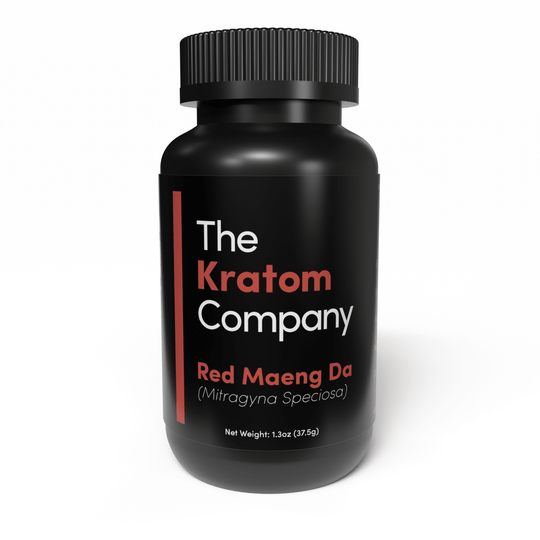
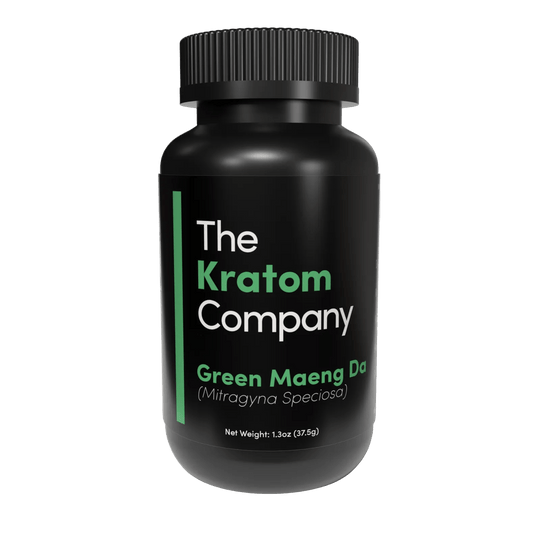
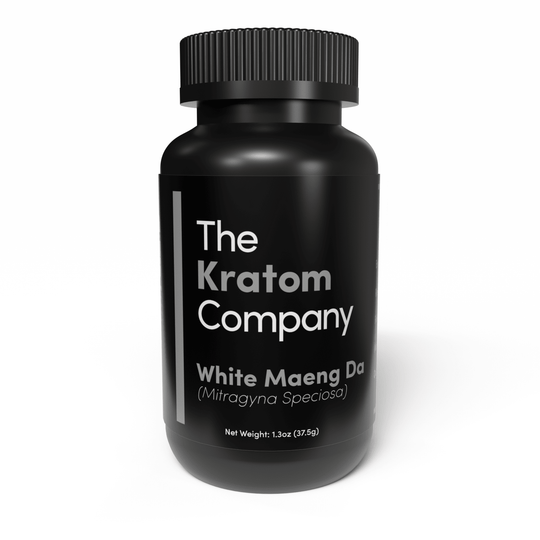
If Florida’s 7-OH ban has you unsure, just stick with natural kratom products that are clearly labeled and third-party lab tested. Shopping with The Kratom Company? You'll find a clean, premium selection backed by knowledgeable support, plus free shipping over $50.

Featured Products
Explore More Posts


Leave a Reply