


What Is Kratom Extract, and How Is It Made? The Complete Beginner’s Guide
At a Glance
- Kratom extract is created by concentrating alkaloids from kratom leaf material.
- Extract products differ from standard kratom powder because they go through additional processing steps.
- Users often choose extracts for convenience, portability, and product variety.
- Product labels, lab testing, and legal restrictions are especially important to review before buying kratom extract.
Kratom extract is a processed kratom product made by concentrating specific alkaloids from kratom leaf material. Unlike traditional kratom powder, extracts go through additional preparation steps designed to create a more refined product. Many users compare extracts to standard powder because the products originate from the same plant but differ in preparation and concentration levels.
For beginners asking “what is kratom extract?” the simplest answer is that it is a more concentrated form of kratom made from the same plant material used in powders and capsules. Understanding how kratom extract is made can help shoppers better evaluate product labels, extract ratios, and overall product categories. If you are still learning the basics, The Kratom Company’s Kratom Guide is also a helpful place to start.
How Kratom Extract Is Made

Extracts Begin With Standard Kratom Leaf Material
Kratom extracts begin with raw kratom leaves or kratom powder sourced from mature Mitragyna Speciosa trees. The starting material often resembles the same plant material used in traditional powder products.
Users who regularly buy kratom powder may notice that extracts originate from similar strain categories and leaf sources. The major difference comes from what happens after the leaves are harvested and processed.
Farmers typically dry kratom leaves before grinding them into powder. That powder can either remain in its original form or move into additional extraction processes. This is why many extract products start with familiar kratom material but end as liquids, tablets, capsules, or enhanced powders.
The Extraction Process Concentrates Alkaloids
Manufacturers create kratom extract by separating and concentrating alkaloids found naturally within kratom leaves. This process often involves water-based or solvent-based extraction techniques.
During extraction, kratom powder is combined with liquid and heated under controlled conditions. The liquid absorbs alkaloids from the plant material before additional filtering and evaporation steps occur.
Once excess liquid is removed, the remaining material becomes more concentrated than the original powder. This final product may appear as a liquid, resin, tablet, or enhanced powder depending on the manufacturing method. Because these formats can vary, beginners should review product descriptions carefully instead of assuming all extracts are made or used the same way.
Different Extraction Methods Produce Different Products
There is no single universal extraction process across the kratom industry. Different manufacturers use different temperatures, filtration methods, and concentration targets.
Some extracts are designed as liquid tinctures, while others become powdered products that blend into capsules or drink mixes. Users who buy kratom extract products may encounter labels such as 10x or 20x extract ratios.
These labels generally reference how much raw kratom material was used during production compared to the final extract amount. However, ratio labeling does not always reflect identical alkaloid content between brands. That makes vendor transparency and third-party testing especially useful when comparing extract options.
Lab Testing Plays an Important Role
Reliable kratom vendors prioritize lab testing throughout the extraction process. Testing helps confirm product consistency and screens for contaminants such as heavy metals or unwanted microbes.
The Kratom Company emphasizes lab-tested kratom products and educational transparency. This is especially important for extract products because manufacturing processes can vary significantly between suppliers.
Organizations such as the American Kratom Association encourage manufacturing standards and consumer education surrounding kratom quality practices. For shoppers, this means lab results, sourcing details, and clear product information should be part of the buying decision.
How Kratom Extract Compares to Powder
Extracts Are More Refined Than Standard Powder
Traditional kratom powder is made by drying and grinding kratom leaves into a fine consistency. Extracts go several steps further by isolating and concentrating specific alkaloids from the plant.
This additional processing creates a different product category entirely. Some users prefer powder for its simplicity, while others appreciate the portability and preparation convenience associated with extracts.
People looking to buy kratom often compare extracts and powder based on routine preferences rather than assuming one product is universally better. For many users, the better option depends on comfort level, preferred format, and how much product education they want before purchasing.
Extract Products Come in Multiple Formats
Kratom extract products are available in several forms, including liquids, tablets, shots, capsules, and enhanced powders. This variety gives users more flexibility when exploring product categories.
Some shoppers prefer kratom capsules because they simplify preparation and portability. Others prefer loose powder because it allows more customization.
Extracts provide another option for users seeking alternative formats. Product choice often depends on convenience, familiarity, and personal preference. Newer shoppers may want to compare formats side by side before deciding which product type feels most practical.
Powder Remains Popular Among Experienced Users
Even as extract products grow in popularity, traditional powder remains one of the most widely purchased kratom formats. Many long-term users appreciate powder because it feels straightforward and flexible.
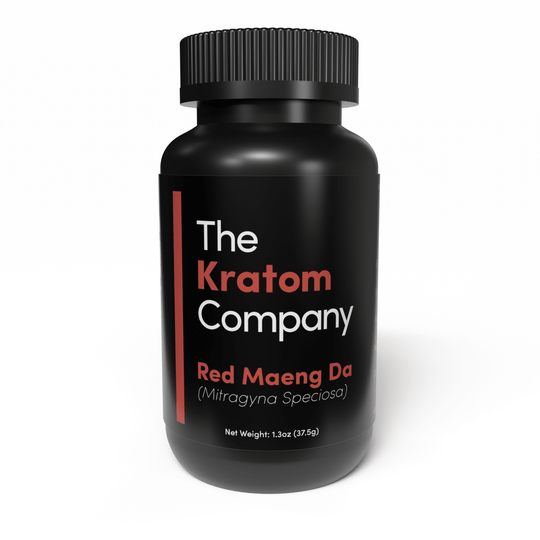
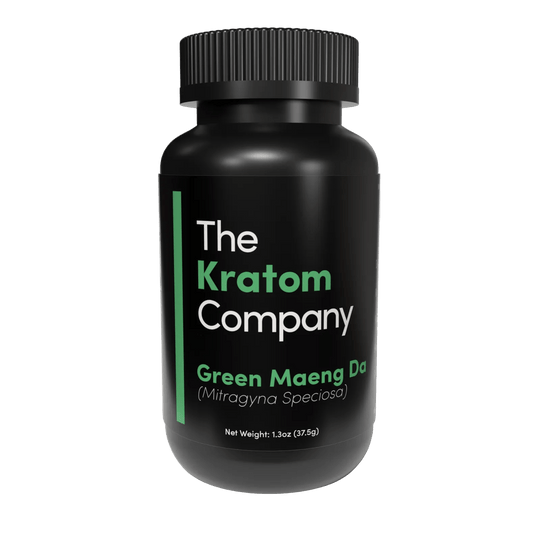
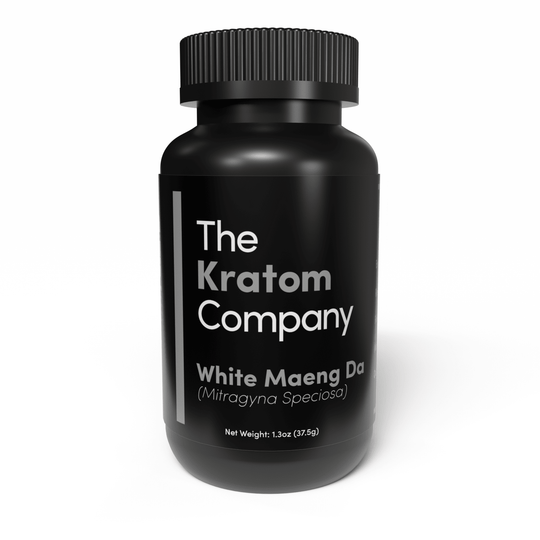
Powder products also allow users to explore strain categories more directly. Popular categories include green kratom strains, red kratom strains for sale, and white kratom strains.
Each strain category is associated with different user-reported experiences and preferences. Individual responses vary depending on the user and product selection. That variation is one reason many shoppers prefer starting with educational resources and transparent product pages before choosing a specific format.
What Users Should Know Before Buying Kratom Extract
Product Labels Can Be Confusing
Kratom extract labels often contain terminology that newer shoppers do not immediately recognize. Ratios such as 10x or 25x may appear straightforward, but they do not always indicate identical concentration standards across vendors.
Reading product descriptions carefully helps shoppers better understand how products are manufactured and presented. Educational resources and transparent labeling provide additional clarity.
The Kratom Company focuses heavily on educational content to help users navigate different product categories more confidently. When reviewing extract labels, look for clear details about product format, serving information, lab testing, and how the extract is described.
Quality and Transparency Matter
Extract products require careful sourcing and manufacturing practices. Product consistency depends heavily on extraction methods, testing procedures, and ingredient transparency.
Consumers should prioritize vendors that clearly explain their testing practices and provide updated educational information. Trustworthy sourcing becomes especially important when comparing concentrated kratom products. A reliable vendor should make it easy to understand what you are buying and how product quality is verified.
State Laws Continue to Change
Kratom laws vary by state and local jurisdiction. Some states restrict kratom sales entirely, while others regulate product access differently.
Consumers should review current kratom legal updates before placing an order. Staying informed helps shoppers avoid confusion regarding regional restrictions.
The Kratom Company blocks orders shipping to states where kratom is prohibited, helping maintain compliance with current regulations. Because laws can change, checking legality before purchase is one of the simplest ways to avoid order issues.
Kratom Powder vs. Extract Comparison Table
|
Feature |
Kratom Powder |
Kratom Extract |
|
Processing Level |
Minimal |
Additional extraction steps |
|
Product Variety |
Powder and capsules |
Liquids, tablets, powders, shots |
|
Preparation Complexity |
Straightforward |
Varies by product type |
|
Portability |
Moderate |
High |
|
Manufacturing Process |
Drying and grinding |
Extraction and concentration |
|
Customer Fit |
Users who want a simple, traditional format |
Users comparing concentrated, portable product formats |
Frequently Asked Questions
What is kratom extract?
Kratom extract is a processed kratom product created by concentrating alkaloids from kratom leaves or powder. It starts with the same plant material used for traditional kratom products but goes through additional extraction steps.
How is kratom extract different from powder?
Traditional powder is simply dried and ground kratom leaf material. Extracts go through additional processing steps that concentrate specific plant compounds. This makes extract a separate product category rather than just another form of standard powder.
Why do some users prefer kratom extracts?
Users often choose extracts for portability, convenience, and product variety. Preferences vary widely depending on individual routines and familiarity with kratom products.
Are all kratom extracts the same?
No. Manufacturing methods, extract ratios, and alkaloid concentrations vary between brands and product categories. That is why lab testing and transparent product information are important when comparing options.
The Final Word
Kratom extract is created by concentrating alkaloids from kratom leaf material through additional extraction and filtration processes. While extracts originate from the same plant as traditional kratom powder, the manufacturing process creates a separate product category with unique formats and labeling systems.
Understanding how kratom extracts are made helps shoppers compare products more effectively and evaluate extract terminology with greater confidence. Product transparency, lab testing, and reliable sourcing remain some of the most important factors when exploring kratom extract options.
Before choosing an extract, take time to compare formats, review lab testing information, and confirm that kratom can legally ship to your location. For a broader overview of kratom products and terminology, visit The Kratom Company’s Kratom Guide.

Featured Products
Explore More Posts


Leave a Reply