


Summarizing Kratom: Facts, Fiction and the Unknown
Kratom, sourced from the leaves of the Southeast Asian Mitragyna speciosa tree, continues to gain attention in the United States. The plant has a long history in its home regions, where it has been traditionally used for various purposes. Today, kratom is sold as powders, capsules, and extracts, sparking conversations about its properties and potential uses. The increasing availability of kratom has made it a point of interest for those exploring natural options for wellness and overall well-being.
However, its growing popularity also highlights gaps in regulation and research, which can lead to misinformation and varied consumer experiences. A recent study published in The Journal of the American Board of Family Medicine highlights key aspects of kratom use, including its growing prevalence, therapeutic potential, and possible risks, particularly in medical contexts. This underscores the importance of sourcing reliable kratom facts to navigate this evolving space responsibly.
 Kratom remains both fascinating and divisive in modern well-being conversations. Users are drawn to its reported energizing, mood-enhancing, and calming effects for day-to-day balance, but its mainly unregulated nature requires caution. Understanding the real kratom facts that focus on safety, sourcing, and moderation, makes them a vital tool for navigating this complex market. With ongoing research, transparent regulations, and better education, consumers can make smarter decisions about their kratom use.
For healthcare providers, staying informed about evolving kratom research ensures they can provide meaningful guidance during patient discussions. Clearer scientific evidence and consistent product standards are essential to shaping kratom’s future responsibly. Want to learn more about kratom? Explore The Kratom Company’s blog for the latest kratom insights.
Kratom remains both fascinating and divisive in modern well-being conversations. Users are drawn to its reported energizing, mood-enhancing, and calming effects for day-to-day balance, but its mainly unregulated nature requires caution. Understanding the real kratom facts that focus on safety, sourcing, and moderation, makes them a vital tool for navigating this complex market. With ongoing research, transparent regulations, and better education, consumers can make smarter decisions about their kratom use.
For healthcare providers, staying informed about evolving kratom research ensures they can provide meaningful guidance during patient discussions. Clearer scientific evidence and consistent product standards are essential to shaping kratom’s future responsibly. Want to learn more about kratom? Explore The Kratom Company’s blog for the latest kratom insights.
Study Focus: Kratom Awareness in the Medical Context
A recent case brought kratom under scrutiny within the medical field. In an ICU, a young patient’s cardiac arrest puzzled physicians when standard toxicology tests revealed no common substances. Further investigation suggested kratom might be involved, as it often goes undetected in routine screenings. This case sheds light on a critical gap in toxicology standards. While the individual recovered fully, it underscored the challenges healthcare providers face when dealing with less familiar substances. Including kratom in more comprehensive screenings could enhance treatment and diagnostic outcomes, particularly in emergency settings. Proper awareness of kratom facts surrounding its detectability in medical tests may improve care in such cases.Why Kratom Is Growing in Popularity
Users often report that kratom may help them feel more energized, manage daily discomfort, or support emotional balance. Experiences vary based on the strain, but general reports show:- Green and White Kratom Strains: Associated with higher energy or focus.
- Red Kratom Strains: Linked to a calming or soothing response.
Risks Associated with Kratom
Despite its growing use, kratom carries risks, particularly when misused. Reported side effects range from mild nausea or dizziness to more significant concerns like dependency or harmful interactions with other substances. Key Concerns Include:- Variability in product quality: Unregulated products may contain harmful contaminants, including heavy metals, or inconsistent alkaloid levels.
- Potential for dependency: Tolerance can develop, leading to cravings and withdrawal symptoms over time.
- Adverse reactions: Users have reported side effects such as digestive discomfort or irritability.
The Impact of Unregulated Markets
In the U.S., kratom falls within a legal gray area. While federally unregulated, individual states have created a patchwork of laws. States like Alabama, Indiana, and Vermont have banned it outright, whereas others allow sales under certain KCPA conditions. Consumers benefit from understanding kratom facts and regulation efforts before purchase. Unregulated markets consistently reveal significant issues:- Product inconsistencies: The same product may vary drastically in potency across batches.
- Contamination risks: Reports have identified products from less reputable brands tainted with harmful chemicals or bacteria.
Considerations for Healthcare Providers
As kratom use grows in popularity, healthcare providers must remain informed about its reported properties and potential risks. Open discussions about kratom use during consultations can lead to better patient care and minimize misunderstandings. Providers who equip themselves with knowledge about kratom are better positioned to identify its relevance when patients describe symptoms or habits. Healthcare professionals should also familiarize themselves with local kratom laws to provide appropriate advice. Staying up-to-date with emerging findings ensures clinicians can offer safer guidance and address patient concerns more effectively. Kratom facts relating to its potential interactions or risks can help improve diagnostic precision during care. In areas where kratom use is common, educating healthcare staff is critical to building awareness of usage trends. Discussions about kratom during patient visits, informed by accurate facts based on the most recent research, allow clinicians to provide well-rounded, patient-centered care.The Need for Focused Research
While historical and anecdotal accounts dominate kratom research, more rigorous clinical trials are necessary. Future studies could deliver clearer insights into how kratom’s alkaloids affect the body. Comprehensive research could validate user-reported outcomes, providing a scientific foundation for expanding kratom facts. Funded studies could explore optimal kratom use, safe user practices, and long-term health impacts. Such research may also guide policymakers in creating balanced regulations that ensure consumer protection without restricting access unnecessarily. Expanding medical knowledge through comprehensive kratom studies and user experiences would benefit both users and healthcare providers alike.Learn More About Kratom
Kratom remains both fascinating and divisive in modern well-being conversations. Users are drawn to its reported energizing, mood-enhancing, and calming effects for day-to-day balance, but its mainly unregulated nature requires caution. Understanding the real kratom facts that focus on safety, sourcing, and moderation, makes them a vital tool for navigating this complex market. With ongoing research, transparent regulations, and better education, consumers can make smarter decisions about their kratom use.
For healthcare providers, staying informed about evolving kratom research ensures they can provide meaningful guidance during patient discussions. Clearer scientific evidence and consistent product standards are essential to shaping kratom’s future responsibly. Want to learn more about kratom? Explore The Kratom Company’s blog for the latest kratom insights.

Featured Products
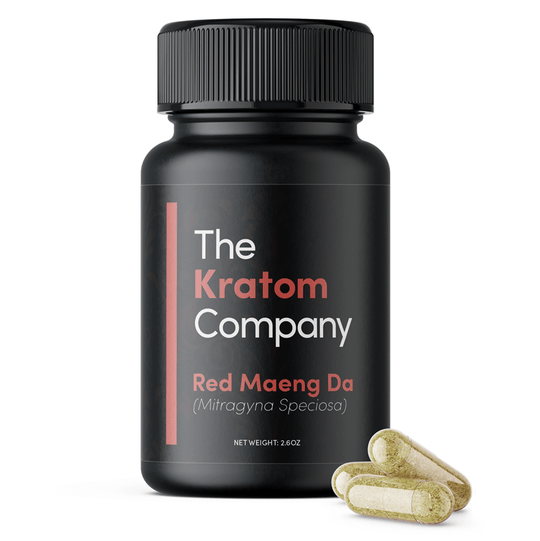
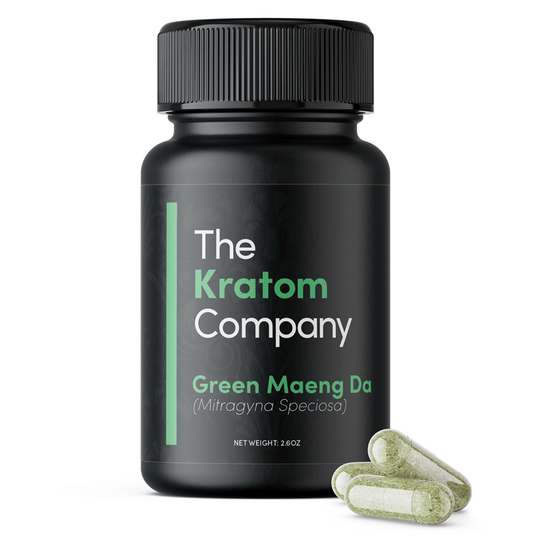
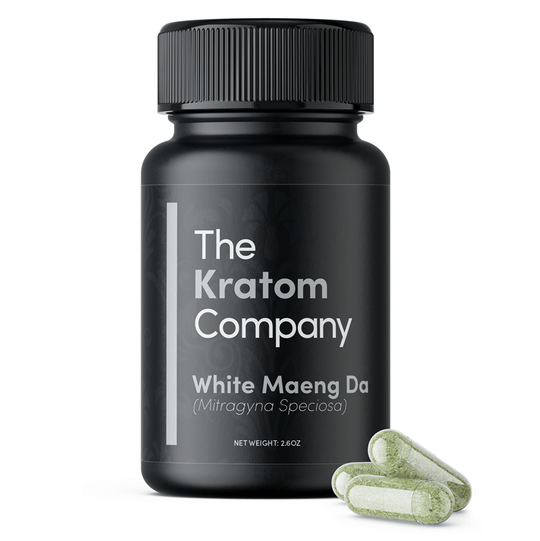
Explore More Posts

A Brief History of Kratom
December 11, 2025

Red Maeng Da vs Red Bali: Which Is Best for You?
December 9, 2025

A Deep Dive Into Red Maeng Da Kratom's Effects
December 8, 2025
Leave a Reply